- Fertility & Women’s Wellness
- +91-9082745079
- lifefertilitycentre.nh@gmail.com

IVF vs ICSI: Which Fertility Treatment Is Better?
Expert Insights by Dr. Katha Desai — Fertility Specialist, Mumbai
Introduction
When couples struggle with infertility, assisted reproductive technologies (ART) like In Vitro Fertilization (IVF) and Intracytoplasmic Sperm Injection (ICSI) offer hope. However, one of the most common questions patients ask is: Which is better — IVF or ICSI?
Both treatments are highly effective but are used in different medical situations. Understanding the difference helps couples make informed decisions and improves chances of a successful pregnancy.
According to fertility expert Dr. Katha Desai, the choice between IVF and ICSI depends on the underlying cause of infertility, sperm quality, and previous treatment outcomes.
What Is IVF?
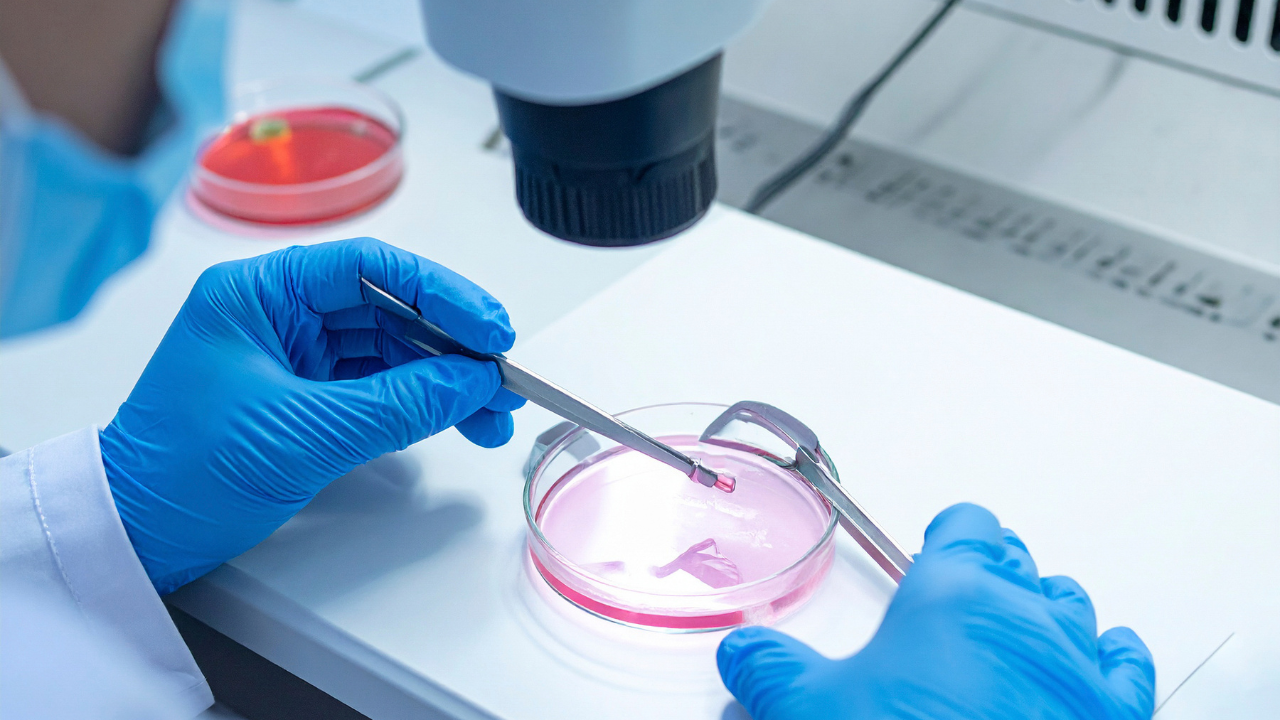
In vitro fertilization (IVF) is a process where eggs are retrieved from the woman and fertilized with sperm in a laboratory dish. The resulting embryos are then transferred into the uterus.
IVF allows natural selection of sperm to fertilize the egg, making it effective in many standard infertility cases.
When IVF Is Recommended:
What Is ICSI?
Intracytoplasmic Sperm Injection (ICSI) is an advanced form of IVF. In this procedure, a single sperm is directly injected into an egg to achieve fertilization. ICSI bypasses natural sperm selection and directly ensures fertilization, making it ideal for complex male infertility cases.
When ICSI Is Recommended:
IVF vs ICSI: Key Differences
Both IVF and ICSI are performed in specialized fertility labs. Here's how they compare across key parameters:
| Feature | IVF | ICSI |
|---|---|---|
| Fertilization Method | Natural sperm-egg interaction in lab | Direct injection of single sperm into egg |
| Indications | General infertility cases | Severe male infertility cases |
| Sperm Requirement | Moderate to good sperm quality needed | Very low sperm count can be used |
| Fertilization Control | Less controlled | Highly controlled |
| Complexity | Standard ART procedure | Advanced micromanipulation technique |
What is the difference between IVF and ICSI?
IVF vs ICSI: Which Is Better?
There is no universal "better" option — only the right option for the right patient. Fertility specialists like Dr. Katha Desai carefully evaluate both partners before recommending the most suitable treatment.
✔ Sperm parameters are normal or mildly affected
✔ Female infertility is the primary concern
✔ Couples are undergoing first-line fertility treatment
✔ Male infertility is severe
✔ Previous IVF cycles have failed fertilization
✔ Surgical sperm retrieval is required
Success Rates: IVF vs ICSI
Both IVF and ICSI have comparable success rates when used in appropriate cases. The key factor is not the procedure itself, but the underlying cause of infertility and clinical expertise.
Egg + Sperm Quality
Male Infertility Cases
30% – 50% per cycle
Factors That Influence Success in Both Treatments
A well-managed fertility clinic can significantly improve outcomes in both IVF and ICSI. Here are the most important factors:
Common Misconceptions
Expert Guidance Matters
Choosing between IVF and ICSI should always be based on detailed medical evaluation. Specialists like Dr. Katha Desai provide personalized treatment plans using advanced diagnostics and evidence-based protocols to ensure the best possible outcomes.
Dr. Katha Desai's clinic in Mumbai emphasizes personalized fertility protocols, continuous monitoring, and state-of-the-art embryology techniques to help couples make the right choice and maximize their chances of success.
Frequently Asked Questions
Conclusion
Both IVF and ICSI are advanced and effective fertility treatments, but their suitability depends on the couple's specific medical condition. IVF is often used for general infertility cases, while ICSI is preferred in severe male infertility or previous fertilization issues.
With expert evaluation and personalized treatment from specialists like Dr. Katha Desai, couples can choose the most appropriate method and significantly improve their chances of achieving pregnancy.
Ready to Start Your Fertility Journey?
Book a consultation with Dr. Katha Desai for a personalized IVF or ICSI treatment plan tailored to your needs.
Book Consultation