- Fertility & Women’s Wellness
- +91-9082745079
- lifefertilitycentre.nh@gmail.com

Early Pregnancy Nutrition: What to Eat in Your First Trimester for a Healthy Pregnancy
Early Pregnancy Nutrition Tips for Fertility Success in Mumbai — Dr. Katha Desai, Life Fertility Center, Mumbai
Early Pregnancy Nutrition Tips for Fertility Success in Mumbai
What to Eat in Early Pregnancy for a Healthy First Trimester
The first trimester is a critical phase of pregnancy when your baby’s major organs and systems begin developing. During these early weeks, your body needs the right balance of nutrients to support fetal growth and maintain your own health.
A well-planned pregnancy diet can help provide essential vitamins, minerals, and energy needed during this stage. This guide explains what to eat in early pregnancy, nutrients that matter most, foods to avoid, and practical tips to manage common first-trimester challenges.
Why Nutrition Matters During Early Pregnancy
The first few weeks of pregnancy involve rapid development inside the uterus. The baby’s brain, spinal cord, heart, and other organs begin forming during this period.
One of the most important processes during early pregnancy is organ development, which starts soon after conception. The neural tube, which later develops into the brain and spinal cord, forms during the early weeks of pregnancy. This is why nutrients like folic acid are recommended even before many women confirm their pregnancy.
A nutrient-rich diet during the first trimester can support:
- Formation of the baby’s organs and tissues
- Healthy development of the placenta
- Increased blood production in the mother
- Better energy levels and immunity
- Preparation of the body for later stages of pregnancy
Nutrition before conception also plays a role in reproductive health. Many couples planning pregnancy focus on improving lifestyle and diet months before trying to conceive. This approach is often discussed as part of fertility care and Fertility Preservation planning, especially for individuals considering future pregnancy options.
Essential Nutrients Your Body Needs in Early Pregnancy
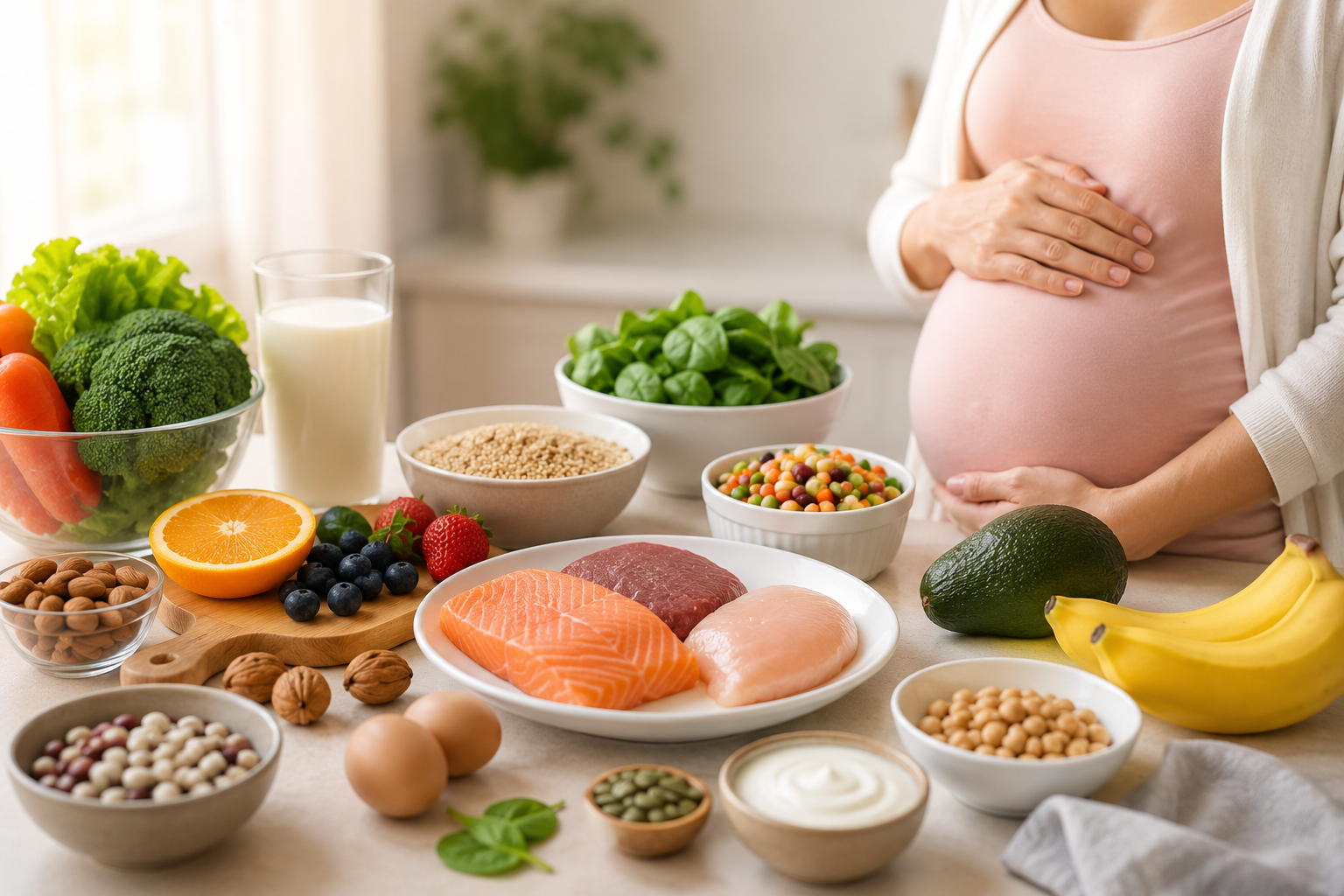
Folic acid is one of the most important nutrients during early pregnancy. It helps reduce the risk of neural tube defects and supports the development of the baby’s brain and spinal cord. Healthcare providers often recommend folic acid supplements before conception and during early pregnancy because the requirement increases during this stage.
Food sources of folate include:
- Spinach and other green leafy vegetables
- Lentils and beans
- Broccoli
- Avocado
- Citrus fruits
Protein supports the formation of fetal tissues, placenta development, and changes occurring in your body. Try including protein with every meal.
- Eggs
- Milk and yogurt
- Paneer
- Dal and legumes
- Chicken or fish, if you consume non-vegetarian foods
- Soy products
Your blood volume increases during pregnancy to provide oxygen and nutrients to your baby. Iron helps produce hemoglobin, which carries oxygen throughout the body. Low iron levels can contribute to tiredness and weakness during pregnancy.
- Green leafy vegetables
- Lentils
- Beans
- Dates
- Meat and seafood
- Fortified cereals
Calcium supports the development of your baby’s bones and teeth while also helping maintain your own bone strength.
- Milk
- Curd
- Cheese
- Ragi
- Almonds
- Sesame seeds
Omega-3 fatty acids, especially DHA, play an important role in early brain and eye development.
- Salmon and other low-mercury fish
- Walnuts
- Chia seeds
- Flaxseeds
Choline is another important nutrient that supports brain development and nervous system function. Many diets do not provide enough choline.
- Eggs
- Chicken
- Fish
- Soy products
- Peanuts
Natural folate and choline from foods are beneficial, but supplements and fortified sources provide a reliable amount of some nutrients. Discussing your individual nutritional needs, including suitable DHA supplements if you do not consume fish, with a healthcare professional can be helpful.
Practical Nutrition Tips for Managing the First Trimester
Morning sickness can make eating difficult during early pregnancy. Instead of forcing large meals, try smaller portions throughout the day.
- Keep plain crackers near your bed and eat them before getting up
- Choose cold foods that produce fewer smells than hot meals
- Eat dry snacks between meals
- Avoid foods that trigger nausea
Some women find ginger tea helpful for mild nausea. Vitamin B6 supplements may also be recommended in certain cases, but always consult an experienced doctor before taking any supplement.
Your body needs more fluids during pregnancy. Dehydration can worsen tiredness, headaches, and constipation.
- Water
- Coconut water
- Soups
- Fresh fruit juices without added sugar
If vomiting makes it difficult to keep fluids down, consult your healthcare provider.
A simple pregnancy-friendly plate can include:
- Half plate vegetables and fruits
- One-quarter protein sources
- One-quarter whole grains
- Healthy fats in moderate amounts
Instead of focusing only on increasing food quantity, focus on improving food quality.
Foods to Avoid or Limit During Early Pregnancy
Some foods carry higher risks of infections or harmful exposure during pregnancy.
Avoid:
- Raw eggs
- Undercooked meat
- Raw seafood
These foods may increase the risk of infections such as salmonella.
Unpasteurized milk and dairy products can carry bacteria such as Listeria, which can be harmful during pregnancy. Choose pasteurized dairy products whenever possible.
Some fish contain high levels of mercury, which may affect fetal nervous system development. Avoid high-mercury fish such as:
- Shark
- Swordfish
- King mackerel
Choose low-mercury options after discussing safe choices with your doctor.
Wash fresh produce properly before eating. Even packaged salads should be handled carefully because bacteria can sometimes remain on raw vegetables.
Alcohol should be avoided during pregnancy. Limit caffeine intake according to your doctor’s advice.
When Should You Seek Professional Pregnancy Nutrition Guidance?
Every pregnancy has different nutritional needs. Factors such as age, medical history, previous pregnancy experiences, weight, and dietary preferences can influence your nutrition plan.
A qualified healthcare professional can guide you about:
- Prenatal supplements
- Diet changes
- Managing pregnancy symptoms
- Nutritional requirements
Women looking for personalised pregnancy care can consult a Gynecologist in Mumbai for guidance throughout their pregnancy journey. Specialists like Dr. Katha Desai at Life Fertility Center provide support for women planning pregnancy, fertility concerns, and reproductive health management. If you are still in the planning stage, weight management and metabolic health also play an important role in preparing your body for conception.
FAQs
Your Early Pregnancy Nutrition Journey
Early pregnancy nutrition is about providing your body and your baby with the nutrients needed during a crucial stage of development. A balanced diet containing folic acid, protein, iron, calcium, omega-3 fatty acids, and other essential nutrients can support a healthy pregnancy journey.
Professional guidance can help you make informed food choices based on your individual needs. With the right nutrition habits and regular medical care, you can take positive steps toward a healthy pregnancy.
Your pregnancy journey is personal, and the right guidance can help you make informed decisions at every stage.
Ready for Personalised Pregnancy Nutrition Guidance?
Consult Dr. Katha Desai at Life Fertility Center for personalised early pregnancy nutrition guidance, prenatal supplement advice, and compassionate reproductive care in Mumbai.
Book Consultation