- Fertility & Women’s Wellness
- +91-9082745079
- lifefertilitycentre.nh@gmail.com

Endometriosis & Infertility: Treatment Options Explained
Understanding Fertility Treatment Options with Endometriosis — Dr. Katha Desai, Life Fertility Centre, Mumbai
Endometriosis & Infertility: Treatment Options Explained
A negative pregnancy test can feel heartbreaking, especially when you have been managing painful periods, pelvic discomfort, or a diagnosis of endometriosis. You may wonder, "Will I ever be able to conceive?" The answer is that endometriosis can affect fertility, but many women achieve pregnancy with the right evaluation and treatment plan.
- Endometriosis does not mean infertility is unavoidable.
- Treatment depends on your age, symptoms, stage of endometriosis, and fertility goals.
- Early consultation with a fertility specialist can help you understand your options.
How Does Endometriosis Affect Fertility?
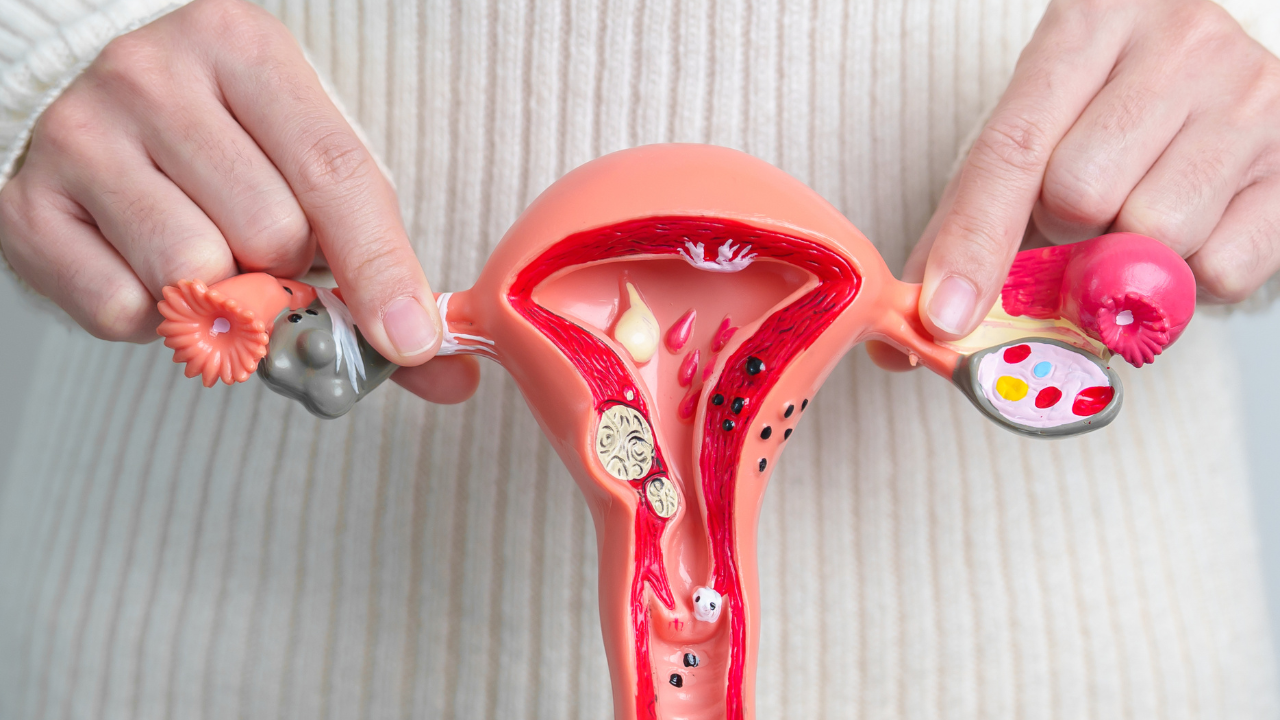
Endometriosis occurs when tissue similar to the uterine lining grows outside the uterus. This tissue responds to hormonal changes during the menstrual cycle, which can lead to inflammation, pain, and scar tissue formation.
Many women are told they have "normal" period pain for years before receiving a diagnosis. If your pain affects your daily life, causes discomfort during intercourse, or continues despite medication, it deserves proper attention.
Endometriosis creates inflammation around the pelvic organs. This inflammatory environment can affect egg quality, sperm movement, and the conditions needed for embryo development. For some women, this may explain why conception takes longer even when routine fertility tests appear normal.
Endometriosis can cause adhesions, which are bands of scar tissue that may affect the position and movement of reproductive organs. If the fallopian tubes become blocked or the ovaries are affected, the egg and sperm may not meet easily. In such cases, treatments like IVF may help bypass these challenges.
Some women develop ovarian cysts called endometriomas. These cysts may impact ovarian function and, in some cases, reduce egg reserve. A fertility specialist may recommend tests such as AMH testing and ultrasound evaluation to understand your fertility potential.
Choosing the Right Treatment: Medication, Surgery, or IVF?
One of the most difficult parts of an endometriosis journey is deciding which treatment path is right for you. There is no single solution for every woman.
Your doctor will consider your symptoms, age, stage of endometriosis, previous treatments, and pregnancy plans.
Hormonal medicines can help control pain and reduce endometriosis activity. These may include hormonal pills, progesterone-based treatments, or other hormone-regulating medicines. These treatments can improve quality of life by reducing symptoms, but they are usually not used when actively trying to conceive because they may prevent ovulation.
Laparoscopic Surgery: Removing Obstacles
Laparoscopic surgery may be recommended when endometriosis lesions, adhesions, or ovarian cysts are affecting fertility.
Possible benefits include:
- Removing endometriosis tissue
- Improving pelvic anatomy
- Reducing pain symptoms
For some women, surgery may improve the chance of natural conception. The decision depends on factors like age, ovarian reserve, and the severity of the condition.
IVF: Bypassing Fertility Barriers
IVF can be a suitable option when endometriosis affects the fallopian tubes, ovarian function, or when natural conception has not occurred after other treatments.
Unlike natural conception, IVF allows eggs and sperm to combine in a laboratory before placing the embryo into the uterus.
A simple way to understand the choices:
| Situation | Suggested Approach |
|---|---|
| Mild endometriosis with good fertility factors | Natural conception or IUI may be considered. |
| Severe endometriosis or blocked tubes | IVF may provide a better chance. |
| Reduced egg reserve | Fertility planning may need to happen sooner. |
A detailed discussion with a fertility expert can help you avoid unnecessary delays and choose the right approach.
Can Lifestyle Changes Support Endometriosis Management?
Lifestyle changes cannot remove endometriosis, but they can support your overall health and may help manage symptoms.
Instead of following extreme diets, focus on consistent food choices that support your body. Helpful options may include:
- Vegetables and fruits rich in antioxidants
- Omega-3 sources such as walnuts, flaxseeds, and fish
- Whole grains
- Adequate protein intake
Some women find that reducing highly processed foods and excess sugar helps them manage bloating and discomfort.
Many women with endometriosis experience years of being told their pain is "normal." This experience can affect emotional health. Seeking support through counselling, patient communities, or mental health professionals can help you handle the stress of chronic pain and fertility treatment.
Keep a record of:
- Period pain intensity
- Cycle patterns
- Pain during intercourse
- Changes after treatment
This information can help your doctor understand your condition better.
When Should You Consult a Fertility Specialist?
If you have endometriosis and want to become pregnant, a fertility consultation can provide clarity about your chances and available treatments.
Consider meeting a specialist if:
- You have been trying to conceive for several months without success.
- You have severe period pain or pelvic pain.
- You have undergone previous endometriosis surgery.
- You have been diagnosed with ovarian endometriosis.
- You want to explore Fertility Preservation options.
At Life Fertility Center, fertility experts focus on personalised evaluation and treatment planning for women facing reproductive challenges. Dr. Katha Desai, a Gynecologist in Mumbai, helps patients understand their fertility options with careful assessment and medical guidance.
FAQs About Endometriosis and Infertility
Endometriosis Doesn't Define Your Fertility Journey
Endometriosis and infertility can feel overwhelming, but a diagnosis does not define your chances of becoming a parent. The right treatment plan depends on your unique health needs, fertility goals, and medical history.
If you are struggling with painful periods, delayed conception, or concerns about endometriosis, consulting a fertility specialist can help you understand the next steps. With timely evaluation and personalised care, many women move forward with confidence toward their pregnancy goals.
Ready to Understand Your Fertility Options?
Consult Dr. Katha Desai at Life Fertility Centre for personalised endometriosis evaluation, treatment planning, and compassionate reproductive care in Mumbai.
Book Consultation