- Fertility & Women’s Wellness
- +91-9082745079
- lifefertilitycentre.nh@gmail.com

ICSI Procedure Explained: When Is It Recommended?
Expert Insights by Dr. Katha Desai — Fertility Specialist, Mumbai
Introduction
Starting a fertility treatment journey can bring many questions, especially when your doctor recommends advanced procedures like ICSI. Many couples wonder why ICSI is needed, how it is different from IVF, and whether it can improve their chances of pregnancy.
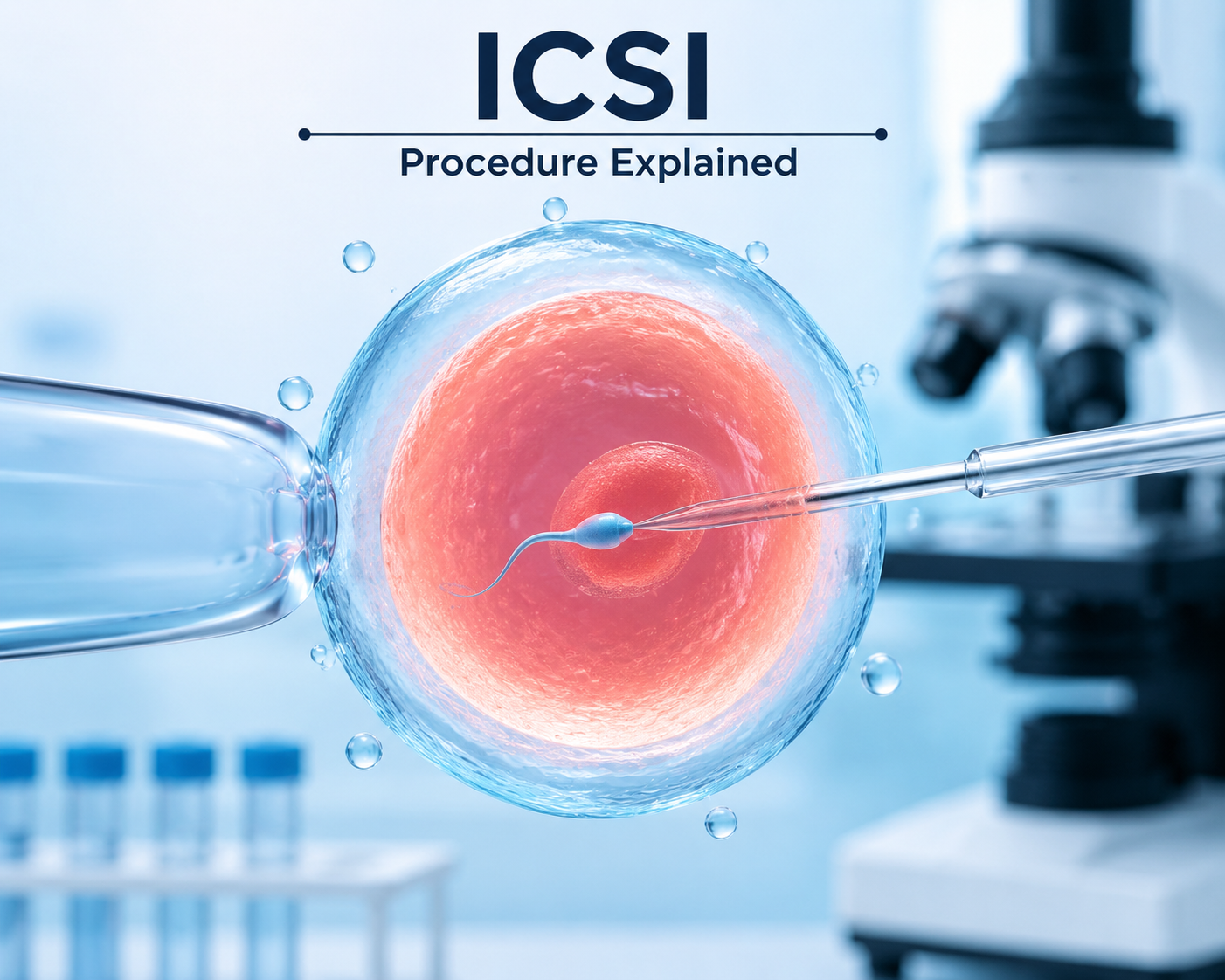
Intracytoplasmic Sperm Injection(ICSI) is a specialized fertility technique that helps overcome certain fertilization problems by directly injecting a single sperm into an egg.
This blog explains the ICSI procedure, when doctors recommend it, who may benefit from it, success factors, and important questions you should discuss with your fertility specialist.
What Is ICSI Treatment?
ICSI stands for Intracytoplasmic Sperm Injection. It is a laboratory procedure performed as part of IVF treatment where an embryologist injects a selected sperm directly into a mature egg to assist fertilization.
In natural conception, sperm needs to reach and enter the egg on its own. Some fertility problems can make this process difficult. These may include low sperm count, poor sperm movement, or problems with sperm quality.
ICSI helps overcome these challenges by allowing fertilization to take place under controlled laboratory conditions.
After fertilization, the developing embryo is monitored before being transferred into the uterus.
How Is the ICSI Procedure Done?
The ICSI procedure involves several important stages:
The fertilized eggs are monitored for embryo development.
When Is ICSI Recommended?
Doctors recommend ICSI when there is a higher chance that sperm may have difficulty fertilizing the egg naturally.
1. Male Infertility Factors
ICSI is commonly recommended when male infertility affects fertilization. It may be advised in cases such as:
For couples facing male factor infertility, ICSI can provide an option to improve fertilization chances.
2. Previous Failed IVF Fertilization
Some couples may undergo IVF but experience poor fertilization despite having eggs and sperm available.In such cases, doctors may suggest ICSI during a future cycle to improve the possibility of successful fertilization.
3. Use of Surgically Retrieved Sperm
Some men may not have sperm available in the semen due to blockages or other medical conditions.Procedures such as TESA or TESE may help retrieve sperm directly, which can then be used for ICSI.
4. Limited Number of Eggs Available
When only a small number of mature eggs are available, doctors may consider ICSI to improve the chances that each available egg has an opportunity to fertilize.
ICSI vs IVF: What Is the Difference?
Many couples ask, "Is ICSI better than IVF"?"The answer depends on your fertility condition.
In conventional IVF, eggs and sperm are placed together in a laboratory dish, allowing fertilization to occur naturally. In ICSI, the embryologist directly injects a selected sperm into the egg.
.ICSI is not required for every IVF cycle. It is mainly recommended when specific fertility factors increase the risk of fertilization problems.Your fertility specialist will decide whether IVF alone or IVF with ICSI is more suitable after evaluating your reports.
Who Can Benefit From ICSI Treatment?
ICSI may be recommended for couples experiencing:
A detailed fertility evaluation helps doctors understand whether ICSI is the right approach for you.A qualified fertility specialist can assess factors such as age, egg quality, sperm health, ovarian reserve, and previous treatment history before suggesting treatment.
What Factors Affect ICSI Success Rate?
The success of ICSI depends on several factors, including:
During consultation, a fertility expert can explain realistic expectations based on your individual reports.
Is ICSI Safe?
ICSI has helped many couples achieve pregnancy when fertilization difficulties were present.
The procedure itself takes place in a controlled laboratory environment by trained embryologists.
Most children born after ICSI are healthy. Your doctor can discuss any specific concerns based on your medical and family history.
Choosing the Right Fertility Specialist for ICSI Treatment
Choosing experienced medical guidance is an important part of your fertility journey. A fertility specialist evaluates your complete health history before recommending procedures like ICSI.
At Life Fertility Centre, couples receive personalized fertility assessment and treatment planning based on their individual needs. Dr. Katha Desai focuses on providing evidence-based fertility care and helping couples understand their available treatment options before making decisions.
If you are looking for a trusted Gynecologist in Mumbai for fertility-related concerns, consulting an experienced specialist can help you understand whether treatments like IVF or ICSI are suitable for your situation.
Frequently Asked Questions About ICSI Procedure
Conclusion
ICSI has become an important fertility treatment option for couples facing challenges with fertilization, especially when sperm-related factors affect conception. By directly injecting a selected sperm into an egg, ICSI can help overcome specific barriers during the fertilization process.
Every couple's fertility journey is different, and the right treatment depends on individual medical factors. Consulting an experienced fertility specialist can help you understand whether ICSI is suitable for your needs.
With proper evaluation, personalized care, and timely treatment, many couples can take a positive step toward achieving their goal of parenthood. To understand the broader treatment process, you can also read our detailed guide on What Is IVF? Is It Safe?
You May Also Like
Wondering If ICSI Is Right for You?
Book a consultation with Dr. Katha Desai for a personalized fertility assessment and expert ICSI guidance.
Book Consultation